

AI for Utilities
Practical AI Solutions Supported by Utility Engineering Experience
Artificial intelligence can help water and wastewater utilities make better use of the records, documents, and operational data they already maintain. Tobon Engineering applies more than 35 years of utility engineering experience to practical, human-reviewed AI tools for operations, planning, maintenance, compliance, and management.

AI Utility Readiness Assessments
We begin with a focused review of your utility’s information, workflows, and goals—then identify where AI can provide measurable value without a large or costly implementation.
A readiness assessment can examine:
- Standard operating procedures and utility documents
- SCADA and operational data
- GIS records and asset information
- Maintenance records and work orders
- Laboratory and regulatory data
- Hydraulic models and engineering studies
- Document-management practices
- Potential applications and priorities
- Security, access controls, and human-review requirements
The result is a practical roadmap that prioritizes useful, achievable applications and the information needed to support them.
Utility Operations Knowledge Assistants
A secure utility knowledge assistant can organize approved information from operating procedures, emergency plans, O&M manuals, equipment and pump curves, drawings, specifications, permits, compliance documents, engineering reports, studies, asset records, maintenance history, and other utility records.
Staff can then ask practical questions such as:
- What procedure applies to this alarm?
- How should this equipment be operated or maintained?
- What permit limit applies to this condition?
- What did the most recent engineering study recommend?
- Which drawing or specification applies to this repair?
- What operating or maintenance history may explain repeated pump failures?
Answers remain grounded in utility-approved sources and subject to staff review.
Utility Data Analysis and Decision Support
AI-assisted analysis can help utility teams find patterns, investigate likely causes, and make operational and engineering information easier to use.
- Pump runtime, cycling, flow, pressure, and energy use
- Lift-station and force-main performance
- Distribution pressure, demand, water age, and water quality
- Inflow and infiltration trends
- Laboratory and treatment-process data
- Alarm patterns and recurring operating conditions
- Maintenance history, asset condition, and criticality
- Regulatory and compliance information
- Hydraulic-model results and capital priorities
These tools support—not replace—the operators, managers, and engineers responsible for utility decisions.

AI Pilot Projects
A focused pilot lets a utility test value, governance, and staff workflows before considering a broader program.
Lift-Station Operations
Analyze runtime, cycling, wet-well levels, alarms, flow, and maintenance history to identify abnormal conditions and recurring problems.
Operations Reporting
Turn approved operational data into concise daily, weekly, or monthly summaries for staff and management review.
Engineering Document Management
Make drawings, specifications, studies, manuals, and project records easier to search and compare.
Pump and Energy Performance
Compare operating data with pump curves, duty points, demand, and energy use to identify opportunities for further engineering evaluation.
Infrastructure Planning
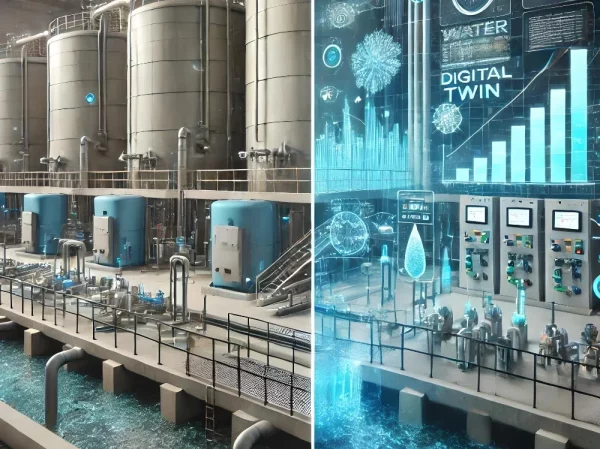
AI-assisted capital improvement planning can bring together engineering assessments, maintenance history, asset condition, hydraulic performance, operational risk, and estimated costs. This gives utility leaders a clearer basis for comparing needs, prioritizing projects, and documenting why investments are recommended.
Digital-twin and modeling concepts can also help teams explore scenarios and understand how proposed improvements may affect the broader system before construction.
Implementation Approach
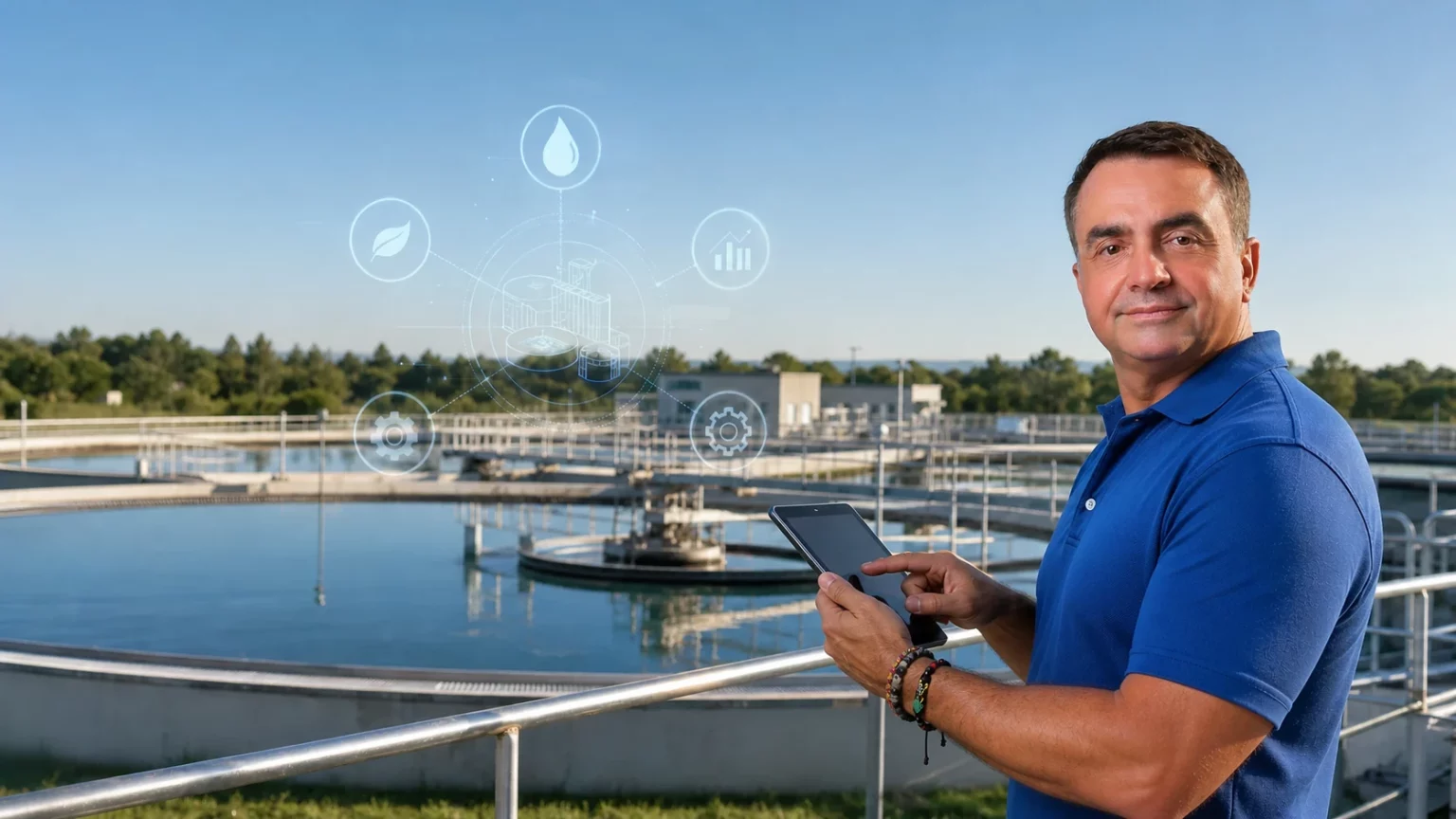
Each engagement is scaled to the utility’s priorities, available information, and existing systems.
- Identify operational, engineering, and management needs.
- Review available documents, data, and systems.
- Select practical applications with clear value.
- Organize and approve the information to be used.
- Develop the knowledge, analysis, or reporting workflow.
- Run a focused pilot.
- Test outputs and complete engineering validation.
- Train staff and document responsibilities.
- Establish governance, access, and human-review requirements.
- Evaluate results and determine whether expansion is justified.
Advanced projects may also require coordination with utility IT, GIS, SCADA, asset-management, and software teams.
Engineering Oversight and Human Review
AI should strengthen professional practice—not substitute for it.
Utility AI should not replace operator judgment, professional engineering, regulatory requirements, or established procedures. Tobon Engineering approaches AI as a decision-support and productivity tool. It is not used to autonomously control pumps, valves, or treatment processes.
Why Tobon Engineering
Maurice Tobon, P.E., PMP, brings more than 35 years of water and wastewater utility experience spanning planning, design, hydraulic modeling, treatment systems, operations, asset management, capital improvement programs, and project delivery. That practical engineering perspective helps keep AI initiatives grounded in real utility needs, reliable source information, and responsible human review.
Start With a Focused AI Assessment
If your utility is exploring AI but is unsure where to begin, Tobon Engineering can help identify a practical first project, assess the available information, and define an implementation approach appropriate to your organization.
Contact Tobon Engineering to discuss an AI readiness assessment or focused utility pilot project.
Elevate Your Water and Wastewater Systems with Expert Engineering
Harness over 35 years of expertise for unparalleled results in water and wastewater management and engineering.